Extraordinary finds, surprising science and gold stories worth sharing. A picture, a quick read, and a little more to discover.
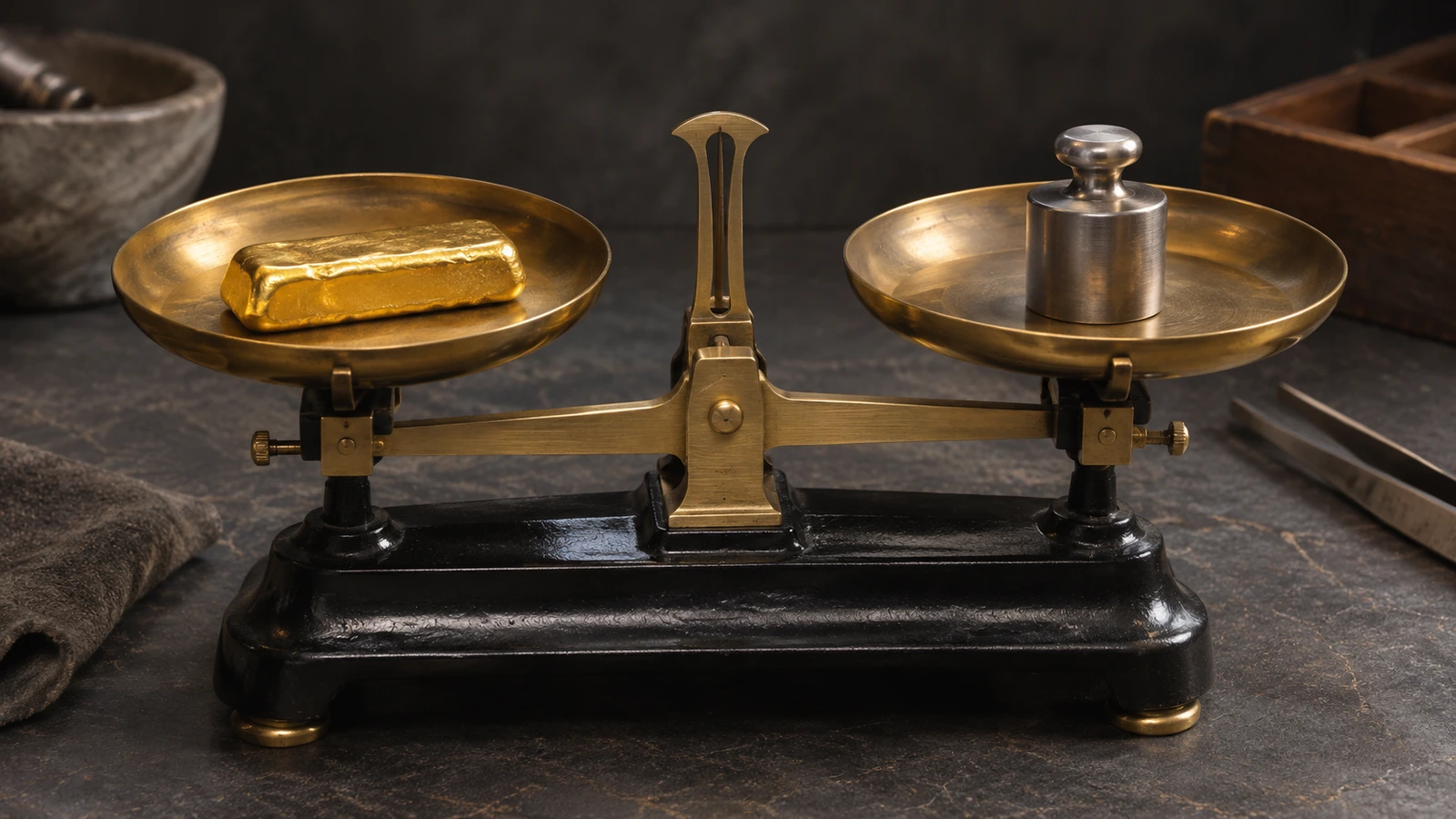
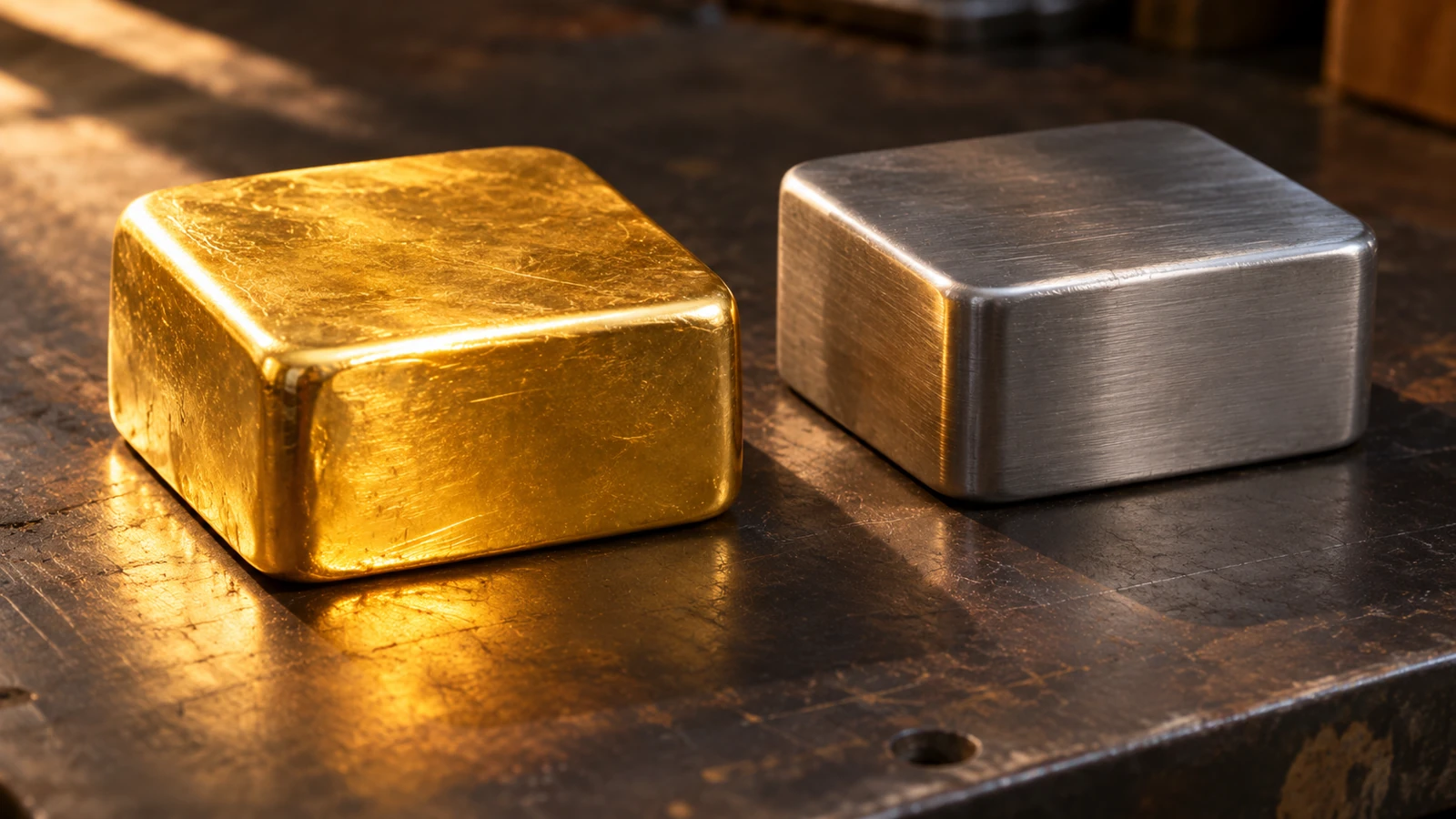
AI-generated conceptual illustration by Gold Strike. The objects are not certified weights or assayed bullion.
A Different Ounce
A troy ounce is heavier than an ordinary ounce.
A troy ounce is about 31.1035 grams, compared with about 28.3495 grams for an avoirdupois ounce. Gold weights quoted in ounces commonly use the troy system, so the unit matters.
AI-generated conceptual illustration by Gold Strike. The rings are not assayed objects; their colours do not establish their gold content.
A Fraction of Gold
18-carat gold is three-quarters gold.
Caratage measures gold as parts out of 24, so 18-carat gold contains 18 parts gold and six parts other metals by mass. Its gold content is therefore 75%, rather than an 18-gram weight.
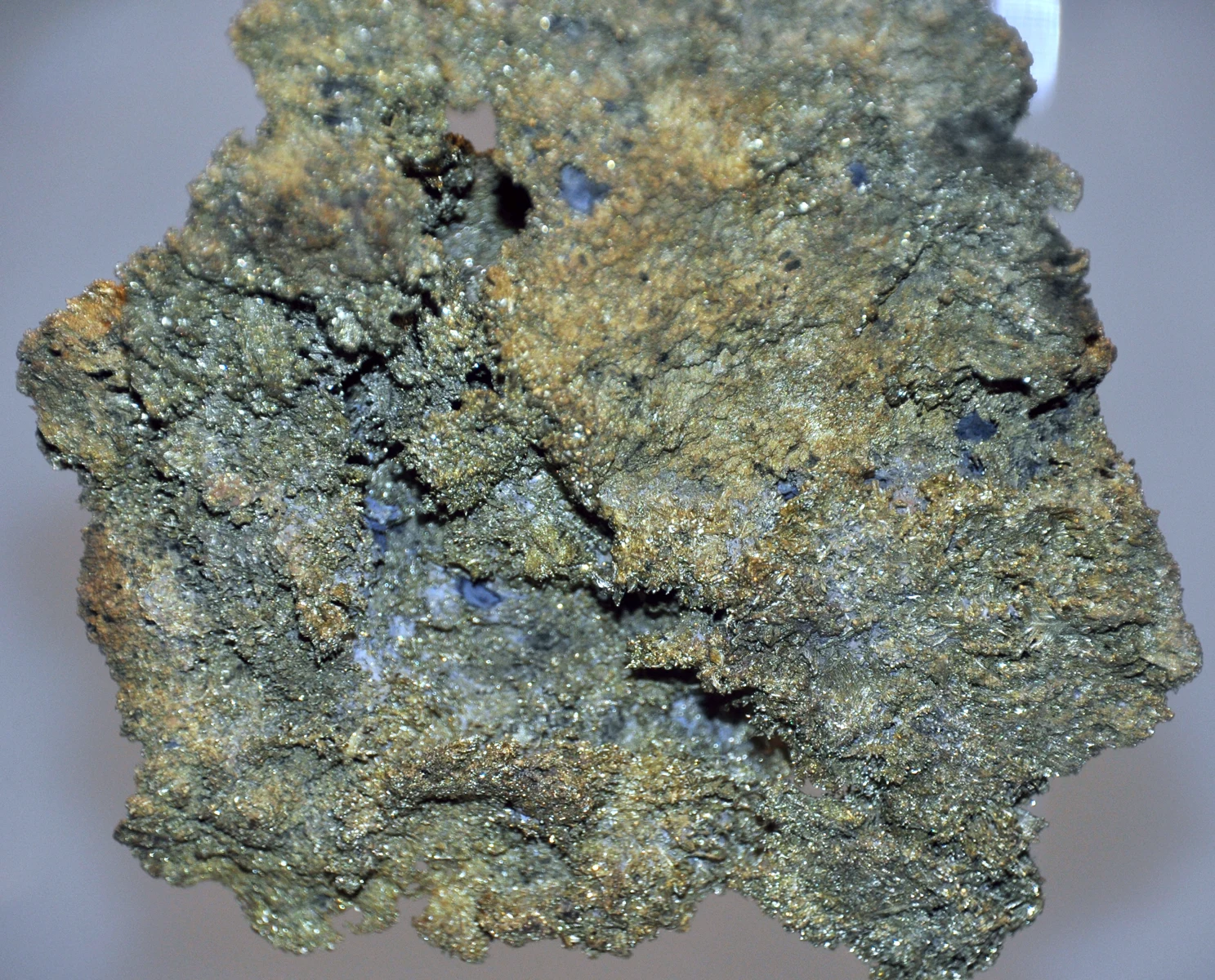
Electrum specimen from Washington State, USA, photographed at the Carnegie Museum of Natural History. Photo: James St. John / Wikimedia Commons, CC BY 2.0. Resized and converted to WebP.
A Natural Mixture
Some natural “gold” is a gold–silver alloy.
Electrum is a naturally occurring alloy of gold and silver. Its appearance can range from golden to pale yellow as the silver content changes.
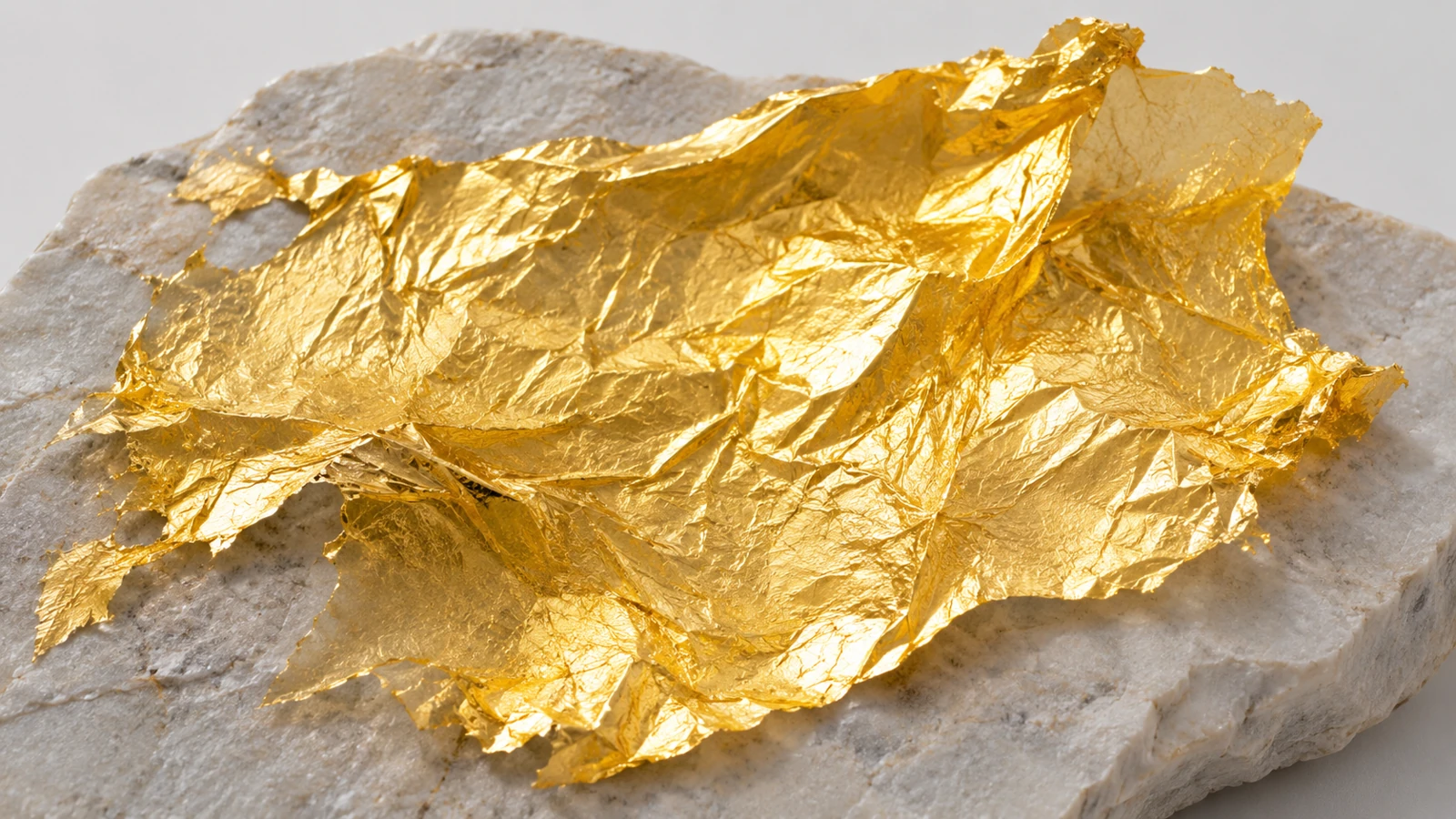
AI-generated conceptual illustration by Gold Strike. Not an assayed specimen, calibrated mass comparison or scale reference.
Heavy for Its Size
One litre of pure gold would weigh about 19.3 kilograms.
At a density of about 19.3 grams per cubic centimetre, a solid litre of pure gold would have a mass of about 19.3 kilograms. Natural specimens and alloys can differ.
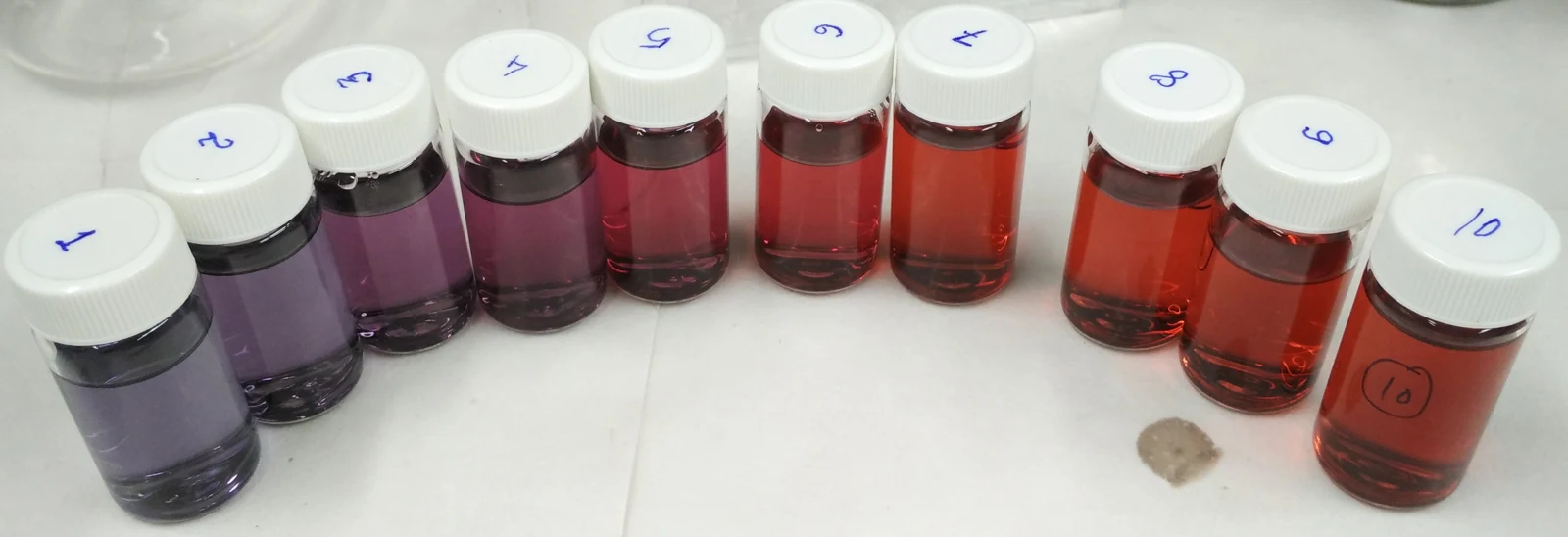
Colloidal gold samples of varying particle size. Photo: Kumarbarc / Wikimedia Commons, CC BY-SA 4.0. Resized and converted to WebP. Photographic derivatives retain the same licence.
Small Particles, Different Colour
Tiny gold particles can turn a liquid ruby red.
Gold nanoparticles suspended in a liquid can give it a ruby-red colour. Particle size, shape and surroundings affect the observed colour, so colloidal gold does not always look red.
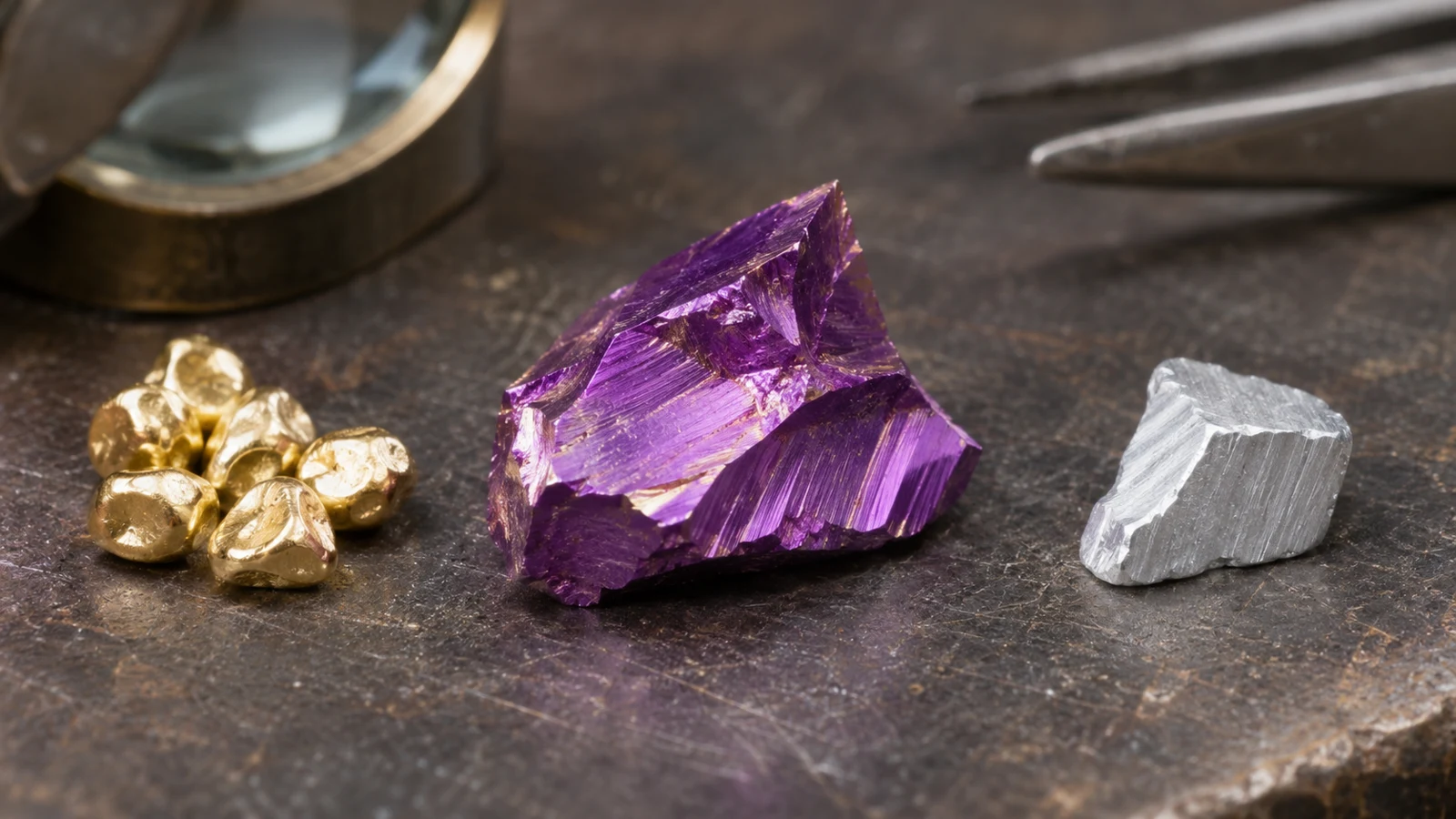
AI-generated conceptual illustration by Gold Strike. Colour, specimen shape and scale are illustrative, not a laboratory photograph or a commercial jewellery sample.
A Different Shade
Gold can be purple.
Combine gold with aluminium in the right proportions and a purple intermetallic compound can form. It is brittle, so purple gold is often treated more like an inset than a metal to bend into shape.
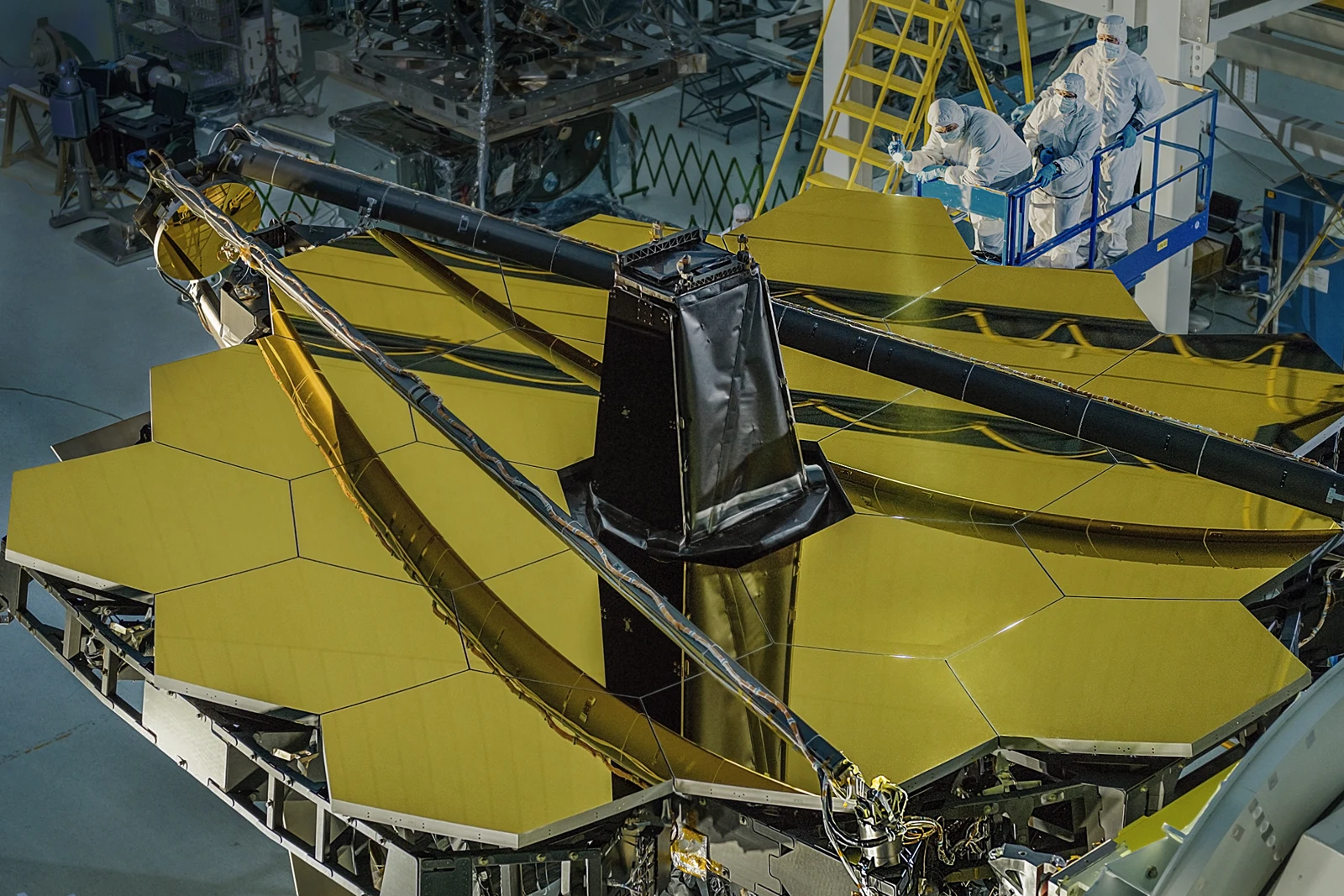
James Webb Space Telescope primary mirror at NASA Goddard. Photo: NASA / Chris Gunn; NASA mirror overview. Resized and converted to WebP.
A Little Goes a Long Way
Webb’s mirror gold is astonishingly thin.
NASA calculates that the thin coating across Webb’s mirror area uses about 48.25 grams of gold. The mirrors are gold-coated beryllium, rather than solid gold: the surface is chosen to reflect infrared light.
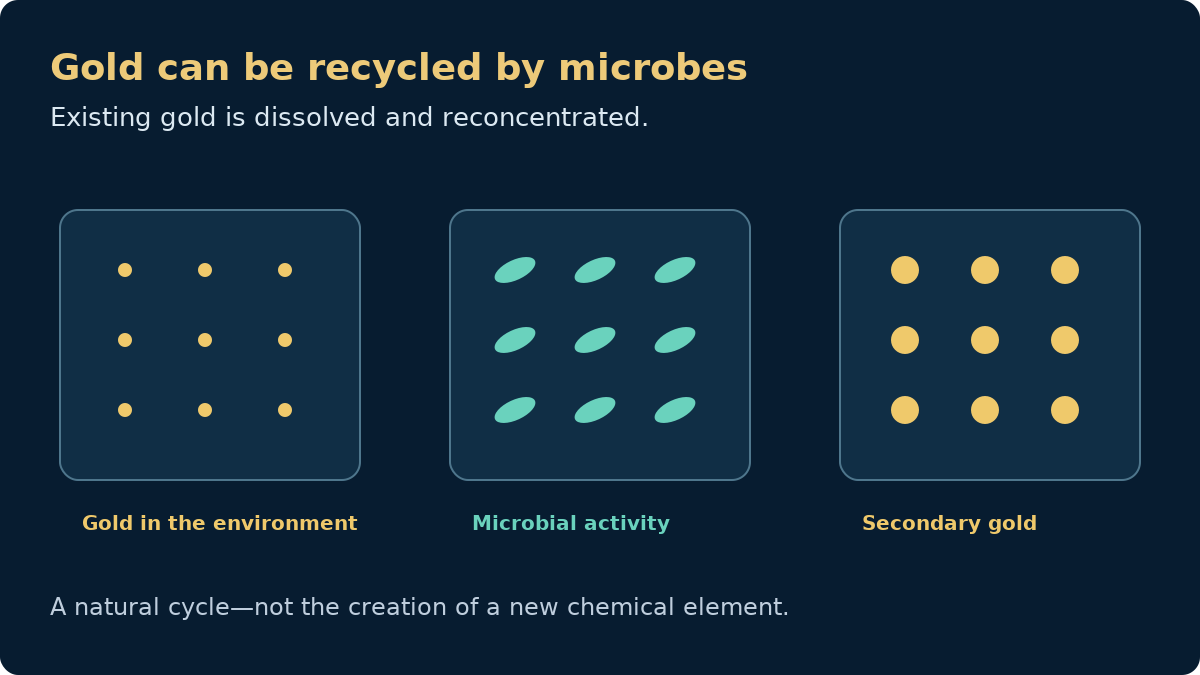
Original Gold Strike schematic; particles and microbes are illustrative and not to scale.
Living Geology
Some gold gets a microscopic helping hand.
Bacteria can help dissolve and reconcentrate gold near Earth’s surface. Researchers studying natural gold grains found evidence of repeated biological recycling that formed secondary gold—not microbes creating the element from nothing.
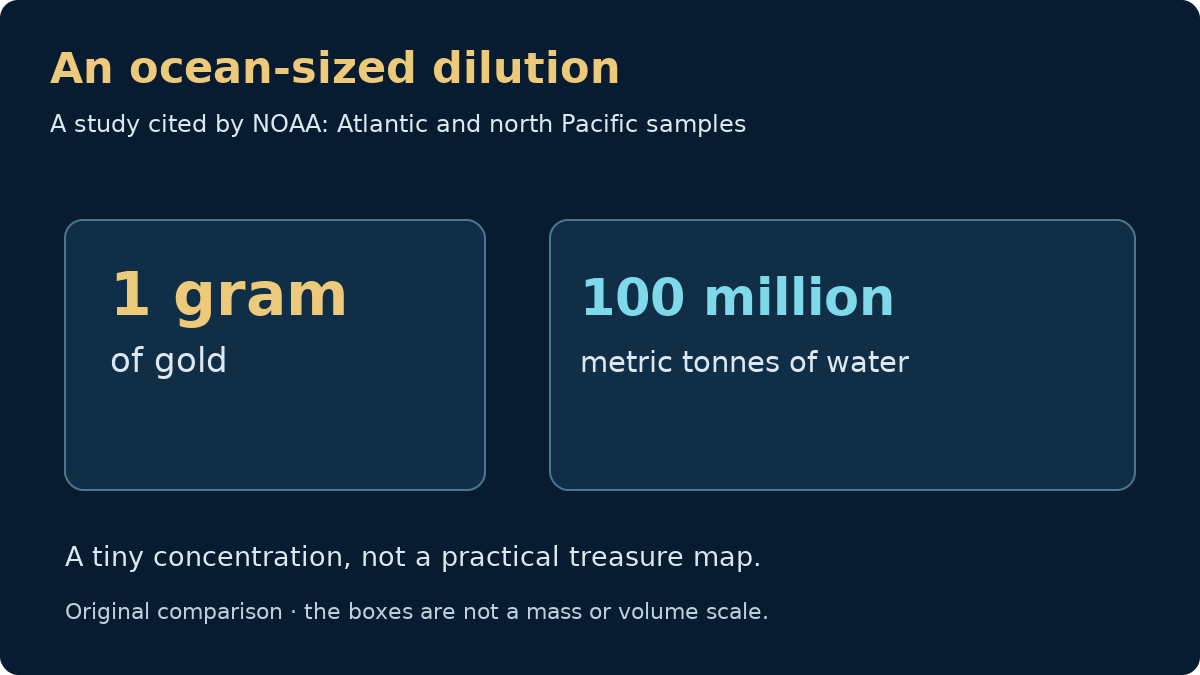
Original Gold Strike comparison; symbols are not proportional quantities.
Hidden in Plain Sight
The ocean contains gold—but the water is no gold rush.
NOAA cites a study finding about one gram of gold per 100 million metric tonnes of water in the Atlantic and north Pacific. That is an extraordinary amount of water to search for a tiny amount of metal.
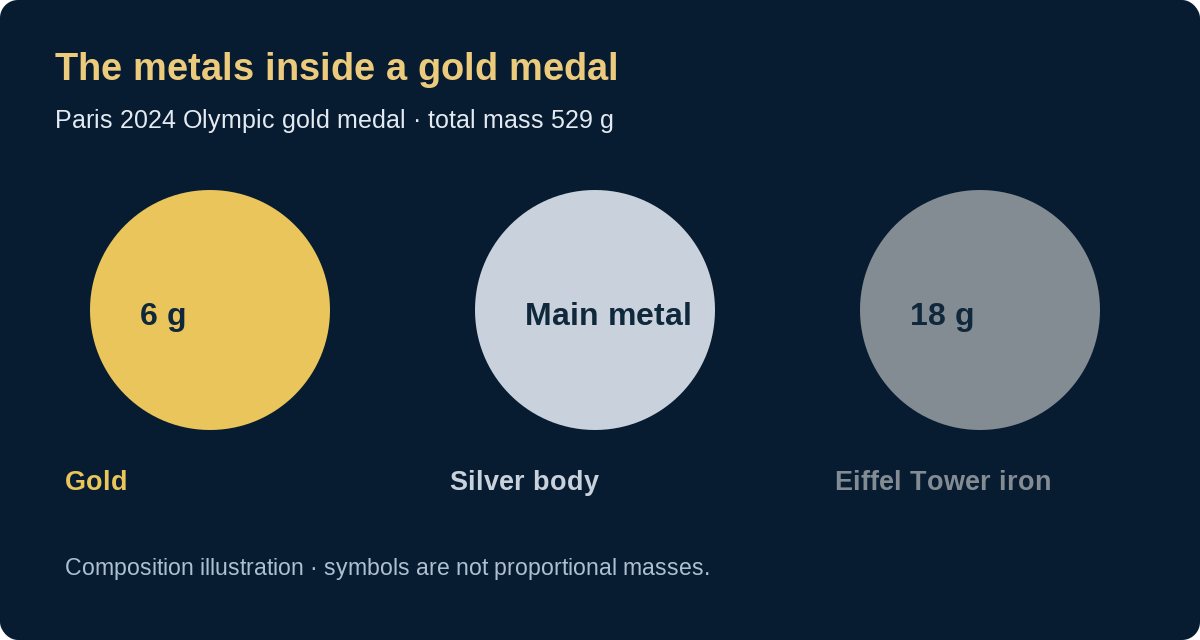
Original Gold Strike composition illustration; not a reproduction of the Paris medal design or a scale drawing.
Gold in the World
An Olympic gold medal is mostly something else.
Paris 2024’s Olympic gold medal weighed 529 grams but contained just 6 grams of gold, with a silver body and an 18-gram insert of iron from the Eiffel Tower. The victory is golden; the engineering uses three very different metals.
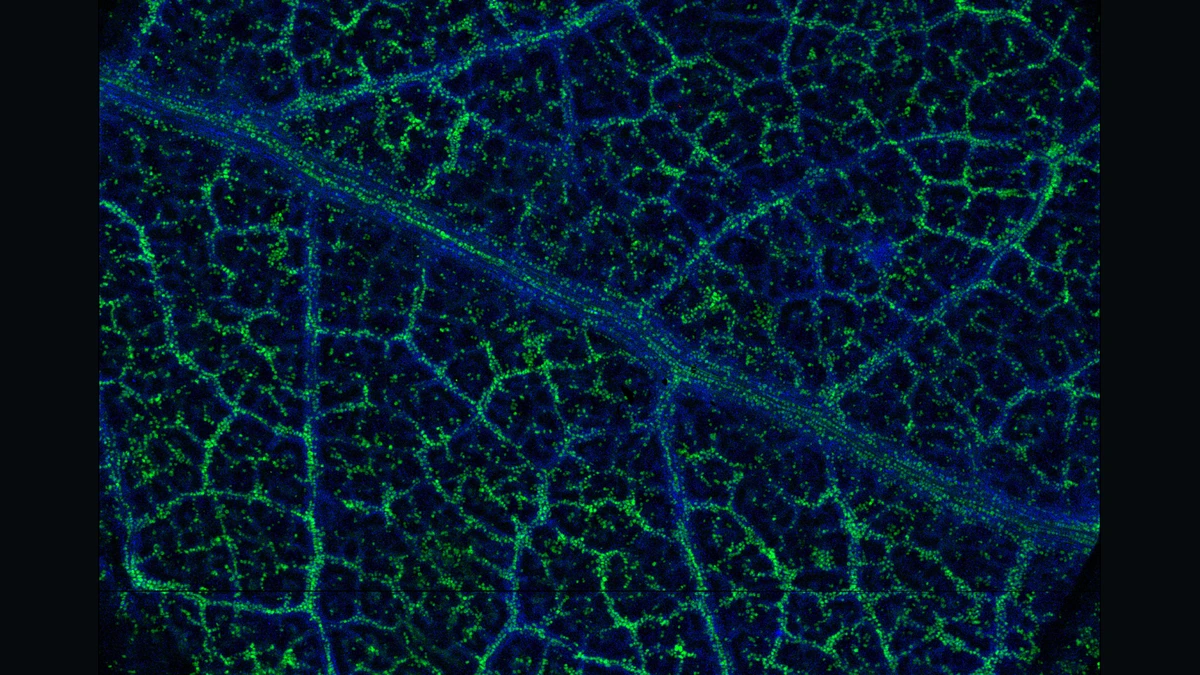
CSIRO researchers found microscopic gold particles inside eucalyptus leaves in Western Australia, confirming that trees can carry traces of gold up from the ground. The quantities are tiny, but analysing foliage can help researchers investigate buried mineral deposits.
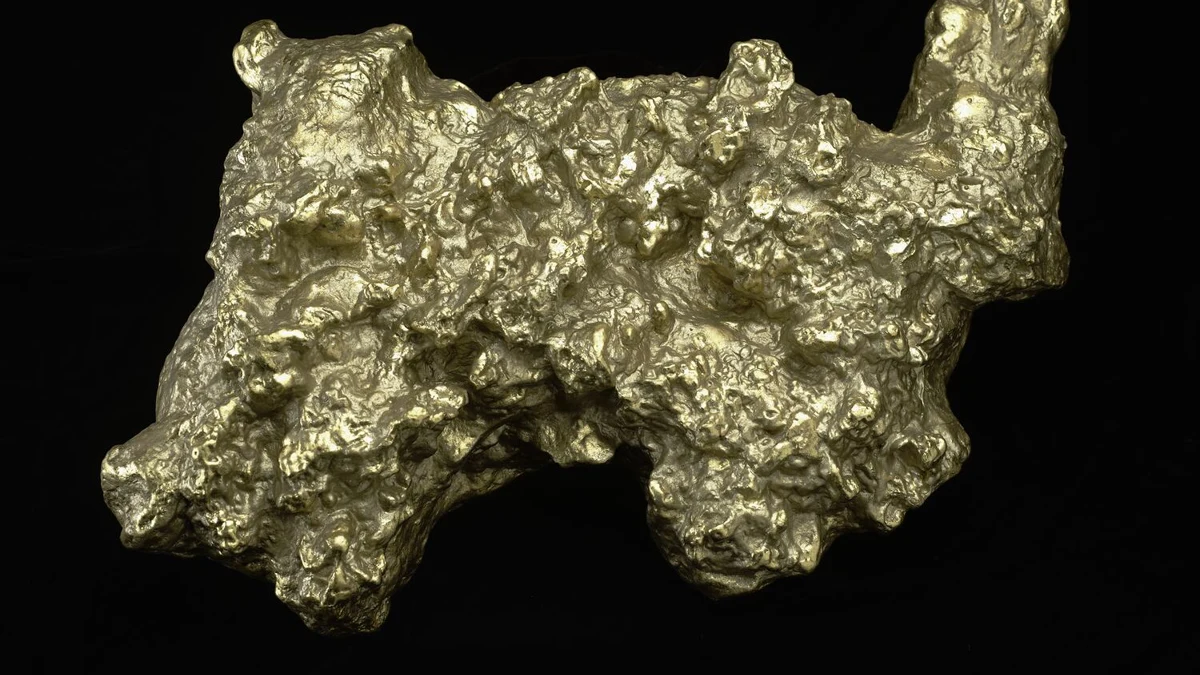
Welcome Stranger replica, not the original nugget. Photo: Rodney Start / Museums Victoria · CC BY 4.0. Cropped and resized.
Too Big to Weigh
The nugget that wouldn’t fit the bank’s scales.
When the Welcome Stranger reached Dunolly in 1869, it was too large for the bank’s scales and had to be broken on an anvil. The famous Victorian find was cut up before it could even be weighed properly.
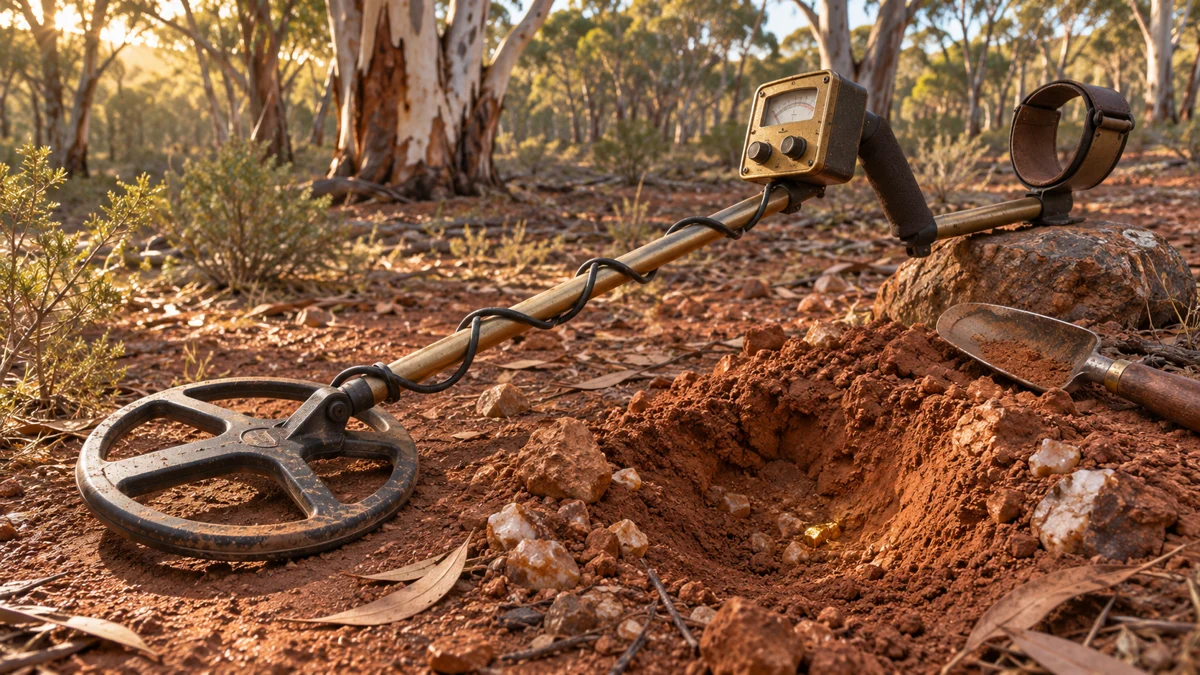
AI-generated conceptual scene; not a photograph of the discovery or its original equipment.
A Signal Worth Digging
A metal detector found a 27-kilogram nugget.
Kevin Hillier found the Hand of Faith with a metal detector at Kingower, Victoria, in 1980. Weighing about 27 kilograms, it turned a signal in the bush into one of Australia’s most extraordinary gold discoveries.
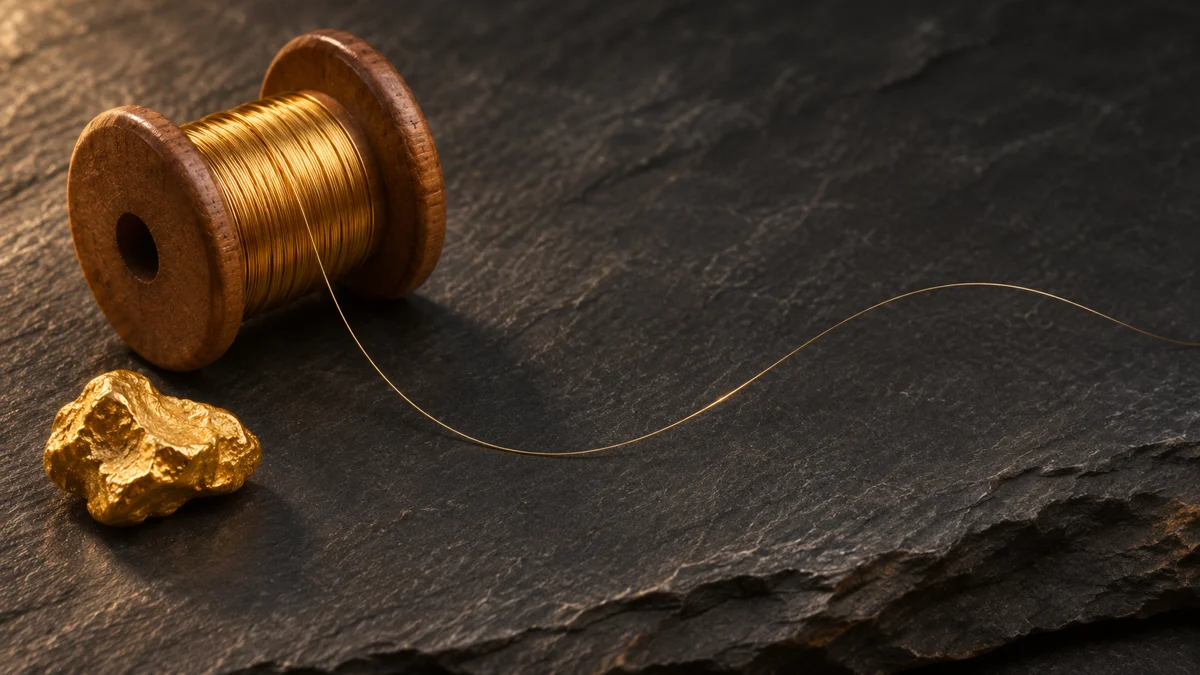
AI-generated conceptual illustration; the pictured spool does not represent a measured length.
A Little Goes a Long Way
One ounce of gold can stretch into 80 kilometres of wire.
Gold is so ductile that about one troy ounce—31 grams—can be drawn into an exceptionally fine wire around 80 kilometres long. That tiny starting amount can become a thread long enough to connect two towns.
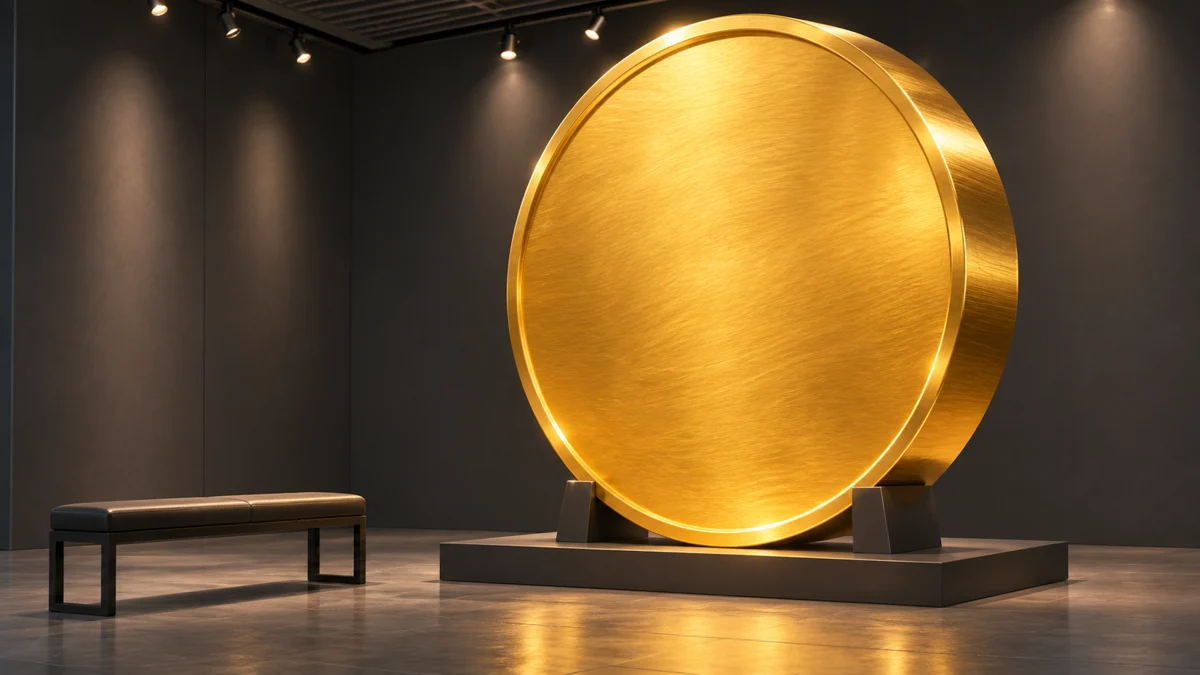
AI-generated symbolic illustration; not the actual Perth Mint coin, its design or a scale reference.
Beyond Pocket Change
Australia made a gold coin weighing a tonne.
The Perth Mint cast its Australian Kangaroo One Tonne Gold Coin in 2011, using 99.99% pure gold. At about 80 centimetres across, this is a coin you admire rather than carry in your pocket.
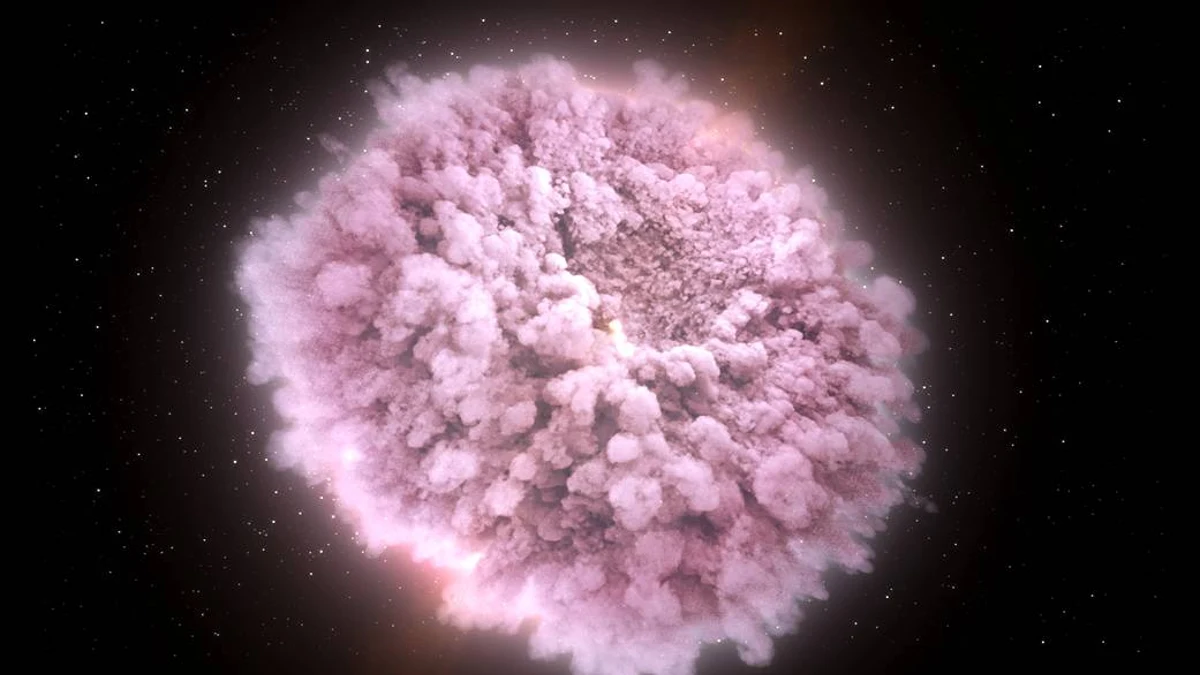
Artist’s illustration, not a photograph. Image: NASA Goddard Space Flight Center/CI Lab. Cropped and resized for this page.
Before the Goldfields
Some gold begins with colliding stars.
Gold can be forged in the neutron-rich debris of colliding neutron stars. Observations of a merger in 2017 helped connect these cosmic explosions with the production of heavy elements, including gold.