
Gold Strike · AI illustration. Full disclosure in article.
Gold Around the World
The biggest official gold holdings belong to countries that are not necessarily the biggest gold miners. A vault holding, a yearly mine output and an underground deposit measure different things.
Gold Strike · AI illustration. Full disclosure in article.
Practical Detecting
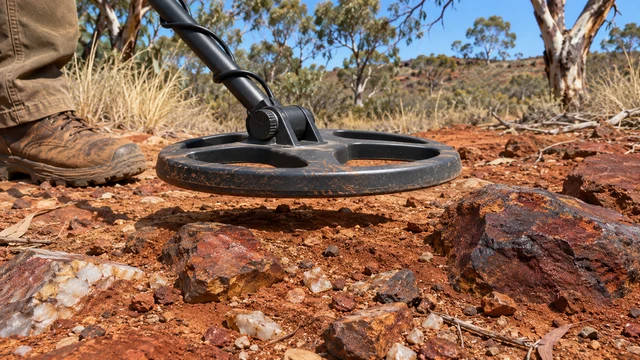
The coil passes over the right patch, but the useful signal never becomes clear. Before reaching for more sensitivity, look at how you are moving the detector.
PROSPECTING AND GEOLOGY
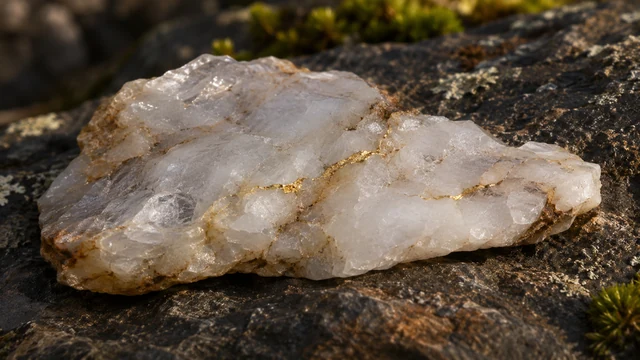
Learn why gold can occur with quartz, how pyrite confuses the picture, and why a promising vein still needs careful evidence.
Gold Strike · labelled AI illustration. Full credit in article.
Practical Prospecting
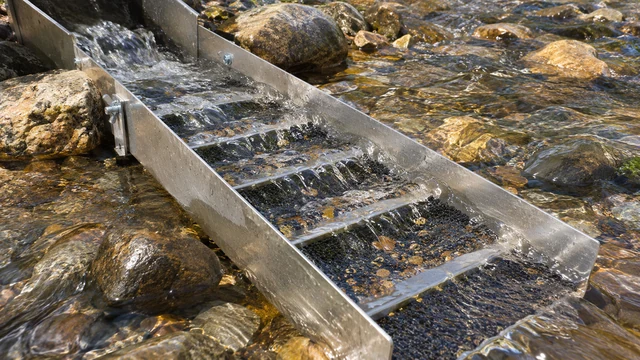
How a sluice separates gold from gravel, why water and feed rate matter, and how to check what escapes the recovery mat.
Gold Strike · labelled AI illustration. Full credit in article.
Practical Detecting
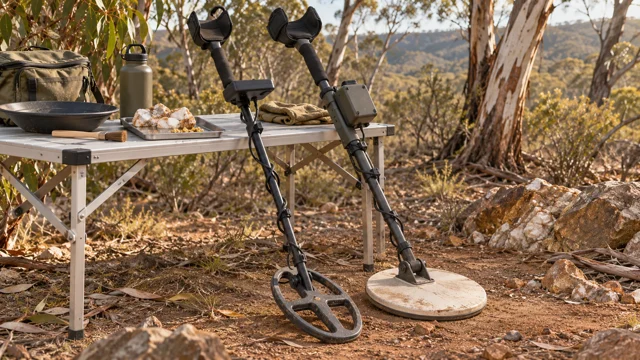
Choose a detector coil for small gold, depth, coverage and practical handling, with clear limits on what diameter alone can tell you.
Gold Strike · labelled AI illustration. Full credit in article.
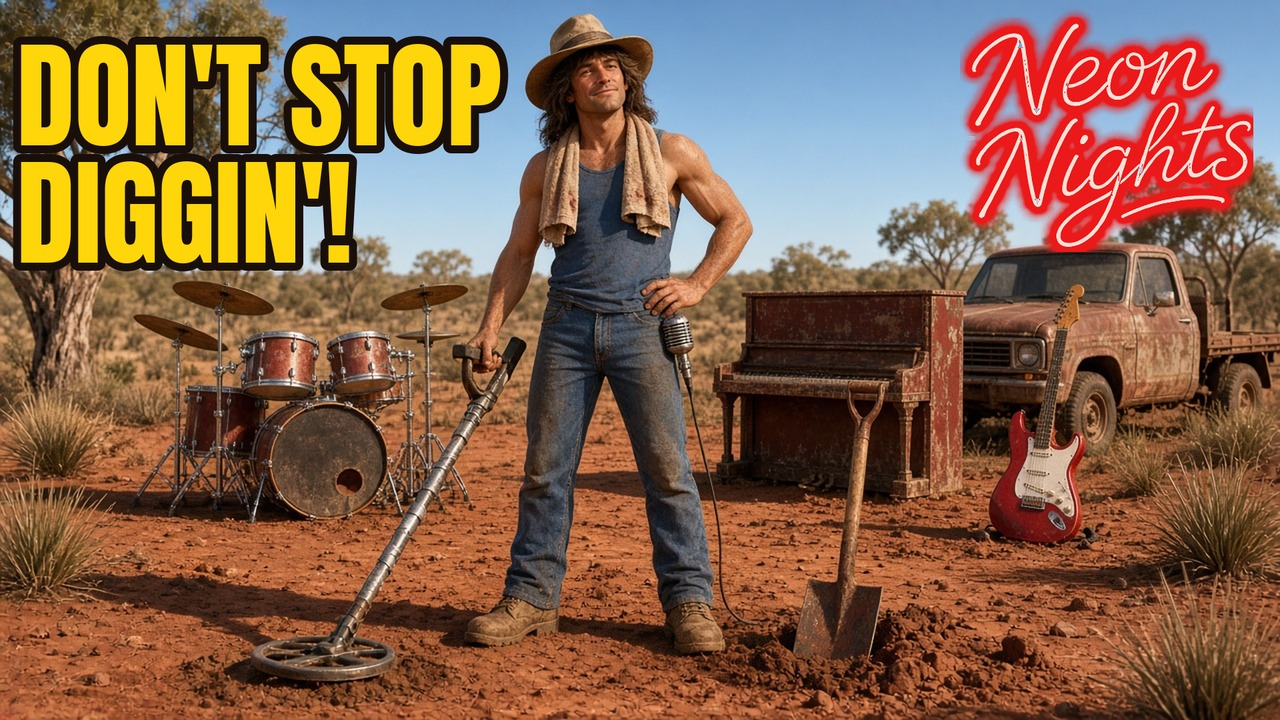
Music and Prospecting · Video Companion
A battered detector, a mountain of rusty finds and one stubborn prospector. Meet the fictional goldfields hero of Neon Nights’ Don’t Stop Diggin’!
Neon Nights · supplied promotional artwork.
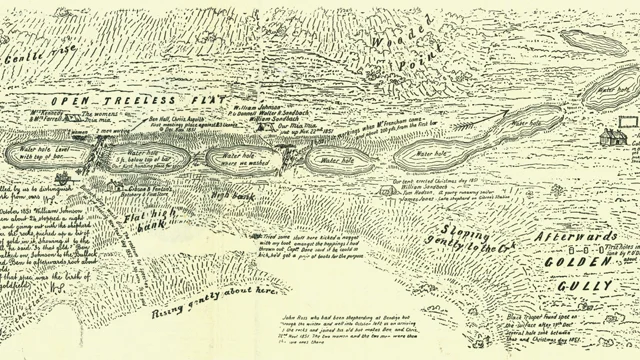
Maps and Research · Australia
Read historical workings, compare changed creek names and landmarks, and turn old goldfield maps into a practical research plan with current access checks.
William Sandbach · public domain. Full credit in article.
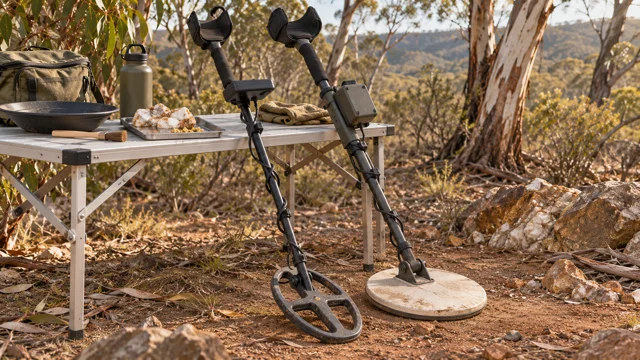
Gold Detecting
How VLF and pulse-induction gold detectors differ, why mineralised ground matters, and what to compare before choosing a machine.
Gold Strike · AI illustration. Full credit in article.
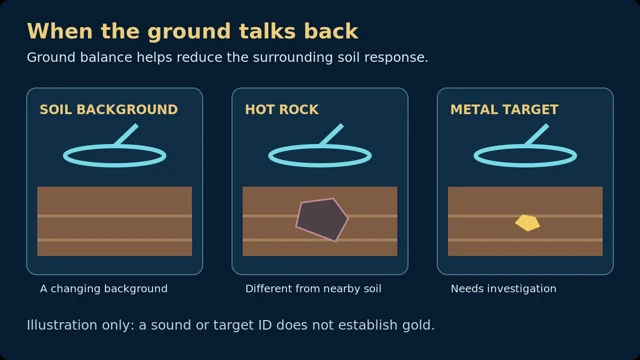
Detecting Guide
Why mineralised soil and hot rocks make a detector sound off, how ground balance helps, and a practical way to investigate a repeatable signal.
Original Gold Strike schematic. Full credit in article.
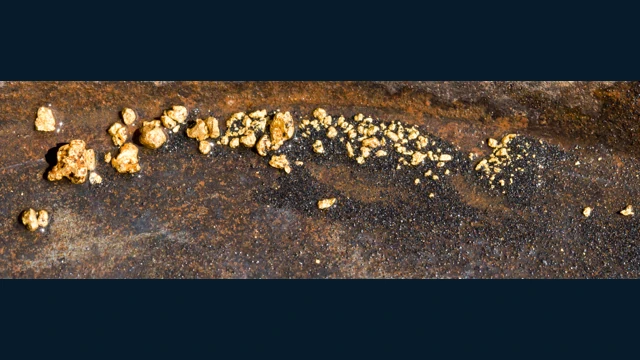
Practical Prospecting
How air separates gold from dry dirt, why moisture matters, and how dryblowing became part of Australia’s goldfields story.
Photo: Jim Bendon · CC BY-SA 2.0. Full credit in article.
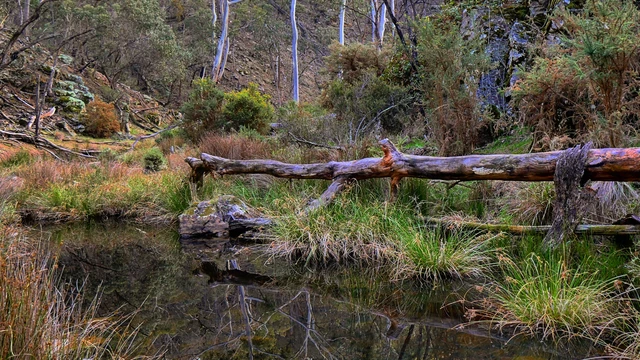
Practical Prospecting
Learn how bedrock cracks, gravel bars and sheltered pockets can concentrate alluvial gold—and how comparing small samples helps you choose where to look.
Photo: Pantini · CC BY-SA 4.0 · Cropped
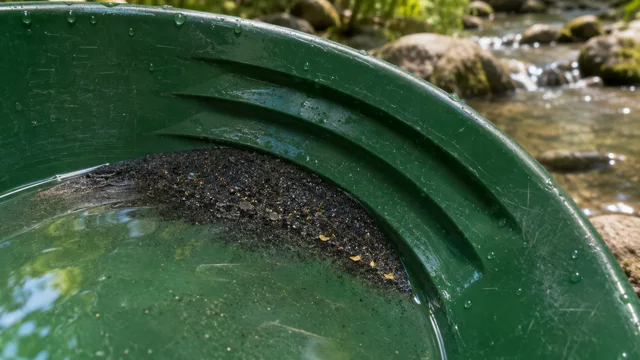
Practical Prospecting
Understand black sand, magnetite and gold-panning concentrates, with practical ways to separate fine gold and check what a magnet leaves behind.
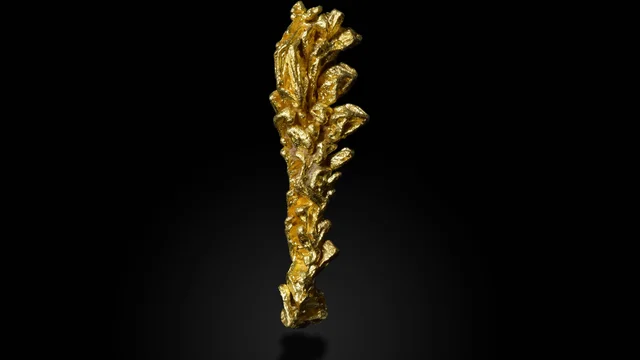
Gold and Geology
Follow gold from hot fluids and quartz veins to weathered rock and alluvial deposits, with research into earthquakes and microbial gold cycling.
Photo: Carlin Green / USGS · Public domain; full credit in article.
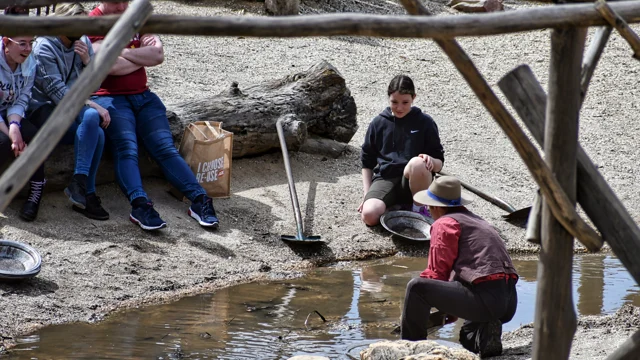
Practical Prospecting
Learn gold panning step by step, from a simple beginner kit and legal access checks to classifying gravel, recovering fine gold and avoiding common mistakes.
Photo: seefit · CC BY 2.0; full credit in article.
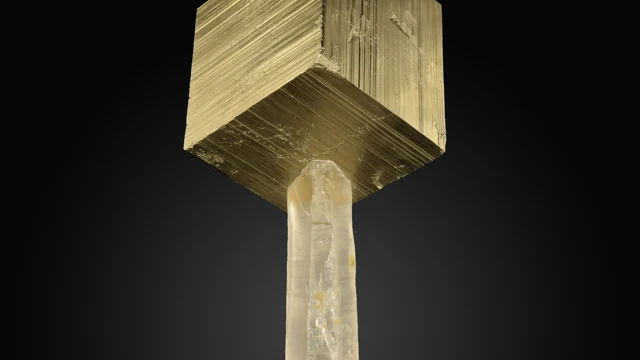 PYRITE · REAL SPECIMEN
Gold Identification
Compare real gold, pyrite and mica specimens, with practical observations and a field checklist.
Pyrite photo: Carlin Green / USGS · Public domain
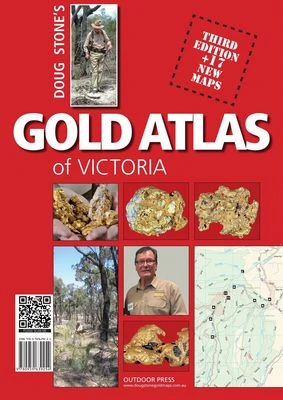 THIRD EDITION · PUBLISHER COVER
Books & field research · Australia
Explore the listed edition, map coverage and a practical workflow using current maps and access information.
Cover: Doug Stone Gold Maps / Outdoor Press
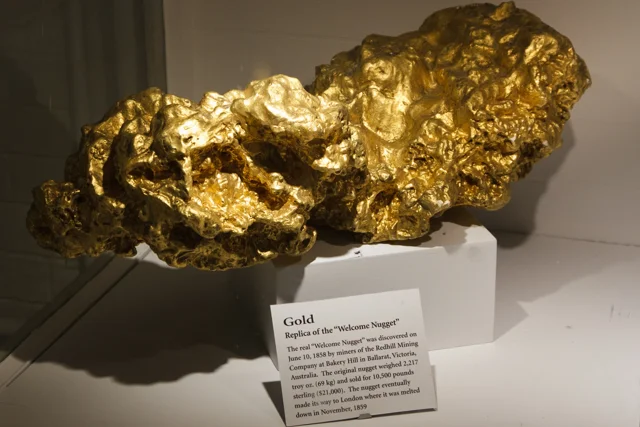 WELCOME NUGGET REPLICA
Gold rush legends · Australia
Meet five famous giants, from the Welcome Stranger to the Hand of Faith, and discover the stories behind them.
Replica photo: Anatoli Lvov · CC BY-SA 3.0
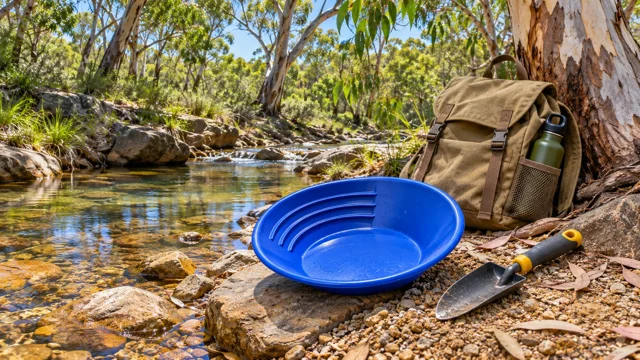
Getting started · Australia
Start with documented areas, learn with local groups and use AI to organise a practical first trip.
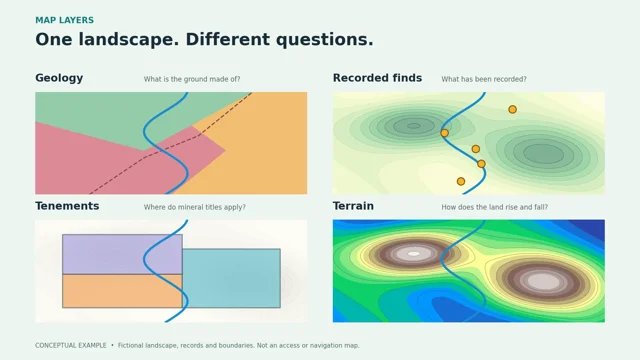
Maps & research · Australia
Separate gold records, geology, tenements and terrain before choosing where to investigate.
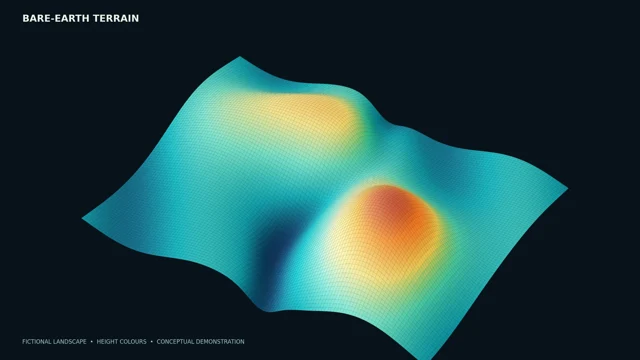
LiDAR & terrain · Australia
Explore larger terrain, surface and point-cloud views, and learn what LiDAR can and cannot tell you.
These introductory guides link to their sources. If you spot an error or want a topic covered, let us know.