Practical Detecting
Detector Coil Size: Why Bigger Isn’t Always Better
A bigger coil can cover more ground. A smaller one can make a tight, noisy patch easier to search. The useful question is which job you need it to do.
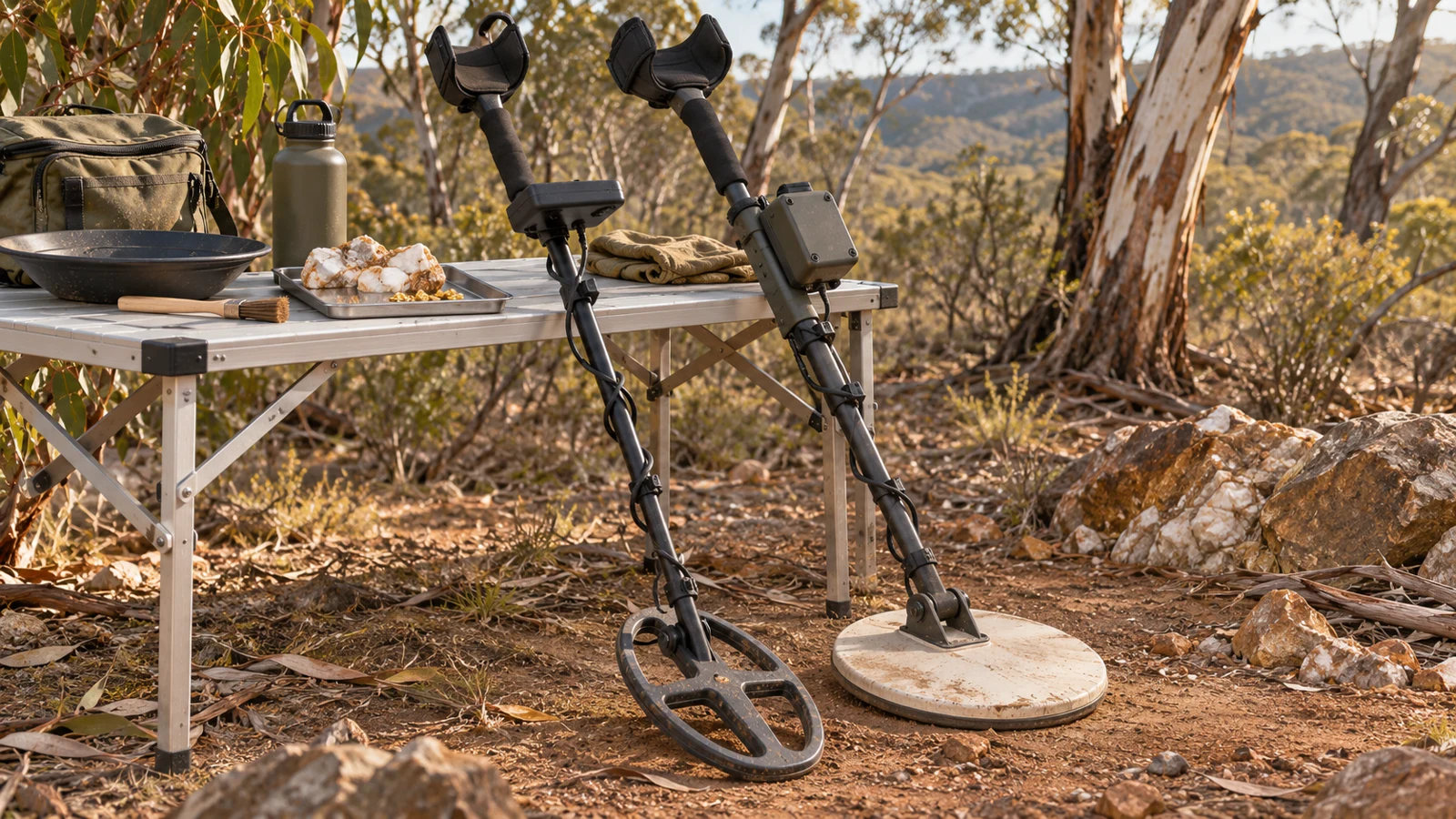
Choose the job before the diameter
A larger search coil can cover more ground and may improve depth on suitable targets. That does not make it the best choice for every gold patch. Small targets, mineralised soil, rubbish, vegetation and the weight on your arm all change the trade-off. Start with the targets and ground you expect to search, then choose a compatible coil. [1]
The useful comparison is between coils designed for your detector, used with appropriate settings in the same conditions. A diameter printed on a housing cannot predict a nugget’s detection depth on its own.
Where a smaller coil helps
Small coils generally favour sensitivity to small, shallow targets. They are easier to place between rocks and bushes, and their smaller search footprint can help separate closely spaced metal targets. They also tend to be lighter. In rubbishy ground, hearing two distinct responses can be more useful than covering a wider strip in one sweep. [1] [2]
That precision has a cost: each pass covers less ground. Overlap your sweeps and keep the coil close and level, rather than racing to compensate. A small coil is a tool for deliberate coverage, not a promise that tiny gold will become easy.
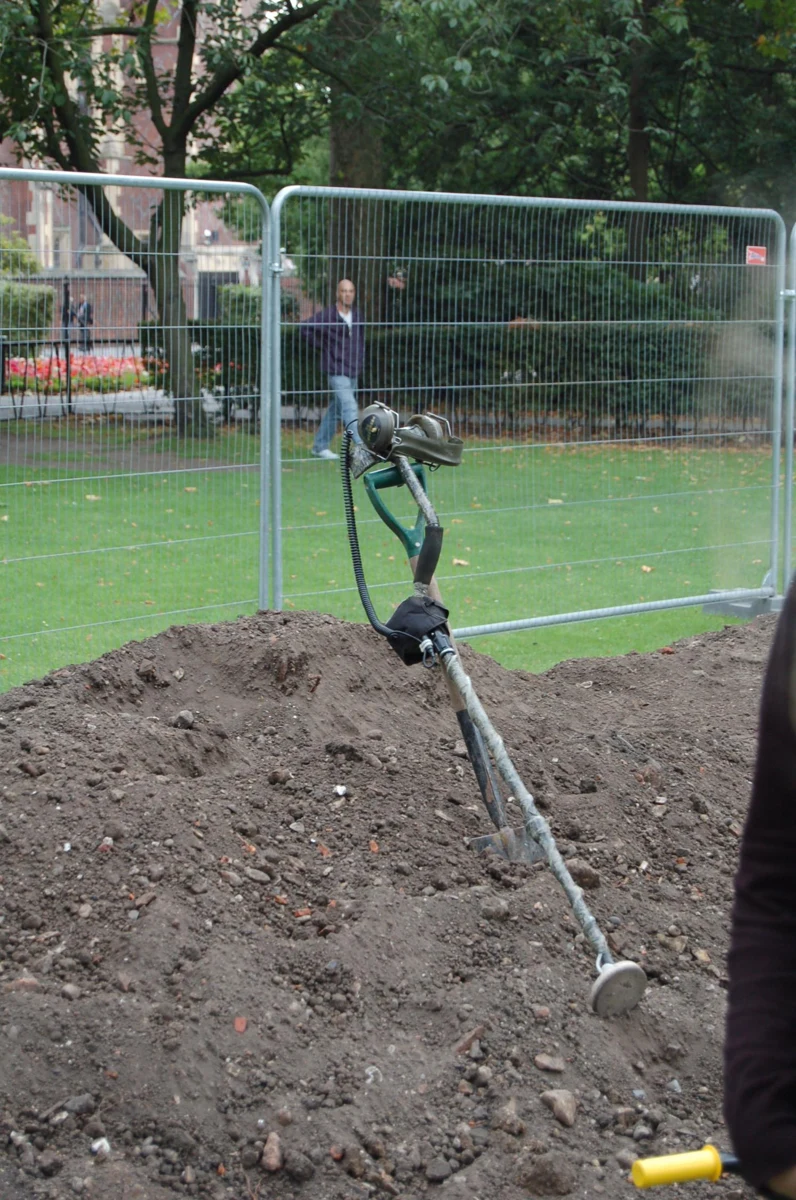
Where a larger coil helps
In relatively open ground, a larger coil can improve coverage and depth on larger targets. It can also bring more weight, more difficulty fitting between obstacles and greater susceptibility to electromagnetic interference. Increased depth is useful only when the response remains stable enough to recognise. [1]
Do not translate a manufacturer’s general depth comparison into a universal centimetre figure. Target size, shape and orientation, soil conditions, detector technology and settings all affect the result.
Size, shape and winding are different choices
An elliptical housing can be easier to manoeuvre around vegetation than a round coil. Coil configuration is a separate question: Double-D and monoloop windings interact differently with the detector and ground. Minelab notes the stability advantages of Double-D coils in difficult ground and the ground-balancing challenges that can accompany monoloops. These are system-dependent comparisons, so consult the manual for your specific detector. [1]
A practical comparison in the field
- Check the coil is approved or supported for your detector and intended mode.
- Noise-cancel and ground-balance as your manual directs.
- Compare familiar test targets at consistent positions, heights and settings.
- Listen for repeatable responses and note how much background noise you introduce.
- Include fatigue, access between obstacles and time spent covering the patch in your decision.
Use test targets without disturbing protected ground, recover everything you place and follow the location’s access rules. If you are still choosing the detector itself, start with our VLF versus pulse-induction guide. If the ground is already overwhelming the signal, read ground balance and hot rocks. The right coil is the one that lets you search the actual patch well.
Sources and Further Reading
Source pages checked 23 November 2026.